Top 5 Benefits of 24/7 Mobile Tire Service
December 5, 2025
Comprehensive Comparison of Mobile Tire Services
December 7, 2025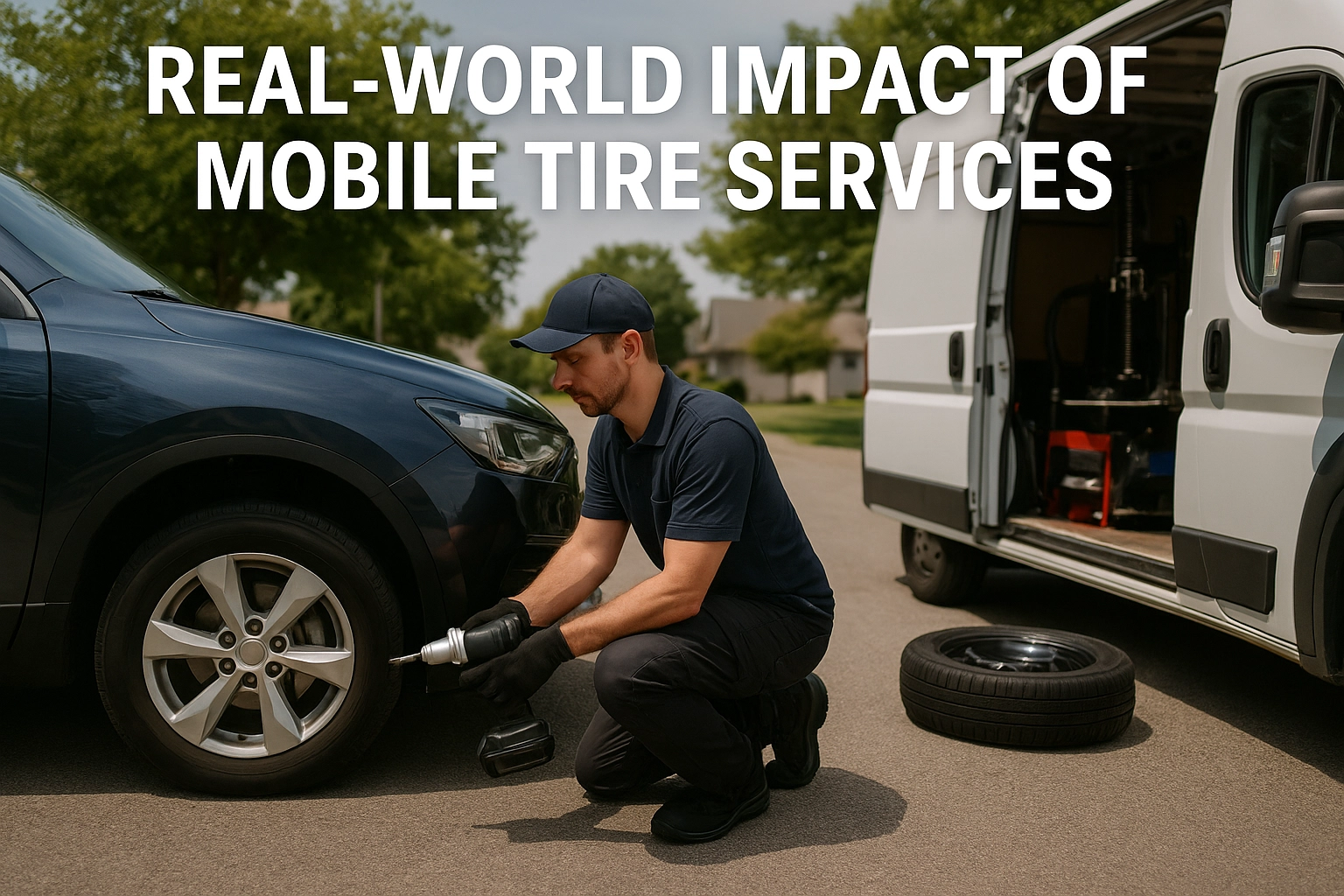
A flat tire at 2 a.m. can stop a delivery, delay a workday, or put a family on the shoulder. That is where mobile tire service 24/7 proves its value. Instead of waiting for a tow, help comes to the vehicle, on-site, at any hour. In this case study, we go beyond promises and look at verified outcomes from real incidents on city streets, highways, and job sites.
You will see what actually changed when drivers and fleet managers switched to on-demand tire support. We will examine documented response times, total downtime, and cost per incident compared with traditional towing and shop visits. We will review safety impacts, from reduced roadside exposure to nighttime visibility practices. You will learn how service models differ, what tools and tires arrive on a typical call, and how simple preparation can cut minutes off every visit. For beginners, we explain the basics, including when repair is safe, when replacement is required, and how to choose a provider. By the end, you will have clear, practical guidance backed by real numbers and field-tested results.
Background and Context
LP Mobile Tire in Tampa Bay
LP Mobile Tire, also known as LP Mobile Tire LLC, is the Tampa Bay region’s on-location tire specialist. The team services drivers where they are, at home, at a job site, or roadside, and supports everything from passenger cars to commercial fleets and semi trucks. Unique to the company is transparent pricing, a flat $125 service rate within Tampa, plus $1.50 per mile beyond city limits, and community raffles that fund local nonprofits. Customer reviews consistently cite quick, friendly technicians and clear expectations, important for beginners who may be facing their first tire emergency. Learn more on LP Mobile Tire’s Tampa mobile tire repair and roadside assistance.
Why 24/7 coverage matters in real emergencies
When a tire fails at 11 pm on I-275 or during school pickup, minutes matter. Around-the-clock mobile tire service 24/7 shortens exposure on the shoulder, improves safety, and restores mobility. Industry data links 24/7 roadside assistance to higher driver satisfaction and reduced downtime and costs. In Tampa, rapid response benchmarks around 30 minutes are achievable, and LP Mobile Tire frequently arrives within 15 to 30 minutes in St. Petersburg, turning potential tow situations into quick on-site fixes. Actionable tip for beginners, share your GPS pin, tire size, and whether you have a wheel lock key to speed diagnosis and fitment.
Demand from busy professionals and families
Demand for immediate, on-location tire help is climbing as workdays stretch and family schedules stack up. For a contractor with crews waiting at a job site, on-site replacement avoids losing half a day to a shop visit. For parents managing after-school activities, a driveway installation the same evening preserves tomorrow’s schedule. LP Mobile Tire’s comprehensive offering, including repair, replacement, and installation, plus tech-enabled dispatch, aligns with this shift toward convenience-first services. The company also educates customers about common roadside events, such as nail punctures and TPMS warnings, which helps set realistic expectations and safer decisions. Lesson learned, keep your wheel lock in the glovebox, verify tread and pressure monthly, and save the dispatch number before you need it.
The Challenge
A late-night flat in Tampa
At 11:15 p.m., a Tampa commuter spots a TPMS warning, followed by the dull thud of a flat as she merges off I-275. She pulls onto a narrow shoulder, turns on hazard lights, and calls for help while tractor-trailers rush past. The road is dimly lit and she is unsure if her crossover even has a spare. With shops closed and family expecting her home, every minute feels longer. This is the moment when risk, uncertainty, and inconvenience converge, and when a mobile tire service 24/7 can be the difference between a quick recovery and a long, stressful night.
Why it becomes a high-stress event
Typical frustrations stack quickly. Wait times tend to increase after hours, and industry data shows flat-tire-related assistance can now exceed 90 minutes, a 65 percent rise, according to Agero’s analysis. Safety is a primary concern, since standing near traffic at night exposes drivers to secondary incidents. Missed commitments follow, from late childcare pickup to lost hours before an early shift. Many drivers also discover that their vehicle lacks a spare, or that their wheel lock key is not in the glove box, which prevents a quick swap.
The bigger pattern behind one flat
The incident is not rare. AAA responds to millions of flat tire calls annually, and more than 30 percent of new vehicles are sold without a spare. Younger drivers are less confident changing a tire, which increases reliance on professional help. The National Highway Traffic Safety Administration reports hundreds of tire-related roadway deaths each year, underscoring the safety stakes at the roadside. Flats remain unpredictable, often caused by debris, potholes, or slow leaks that escalate without warning.
What this means for LP Mobile Tire customers
For Tampa Bay drivers, the challenge is minimizing exposure and downtime until help arrives. Move to a safe, well-lit area, keep seatbelts fastened, use hazards and reflectors, and avoid standing on the traffic side. Share your exact location, mile marker, and wheel lock key status. Save LP Mobile Tire’s number, and note your tire size on your phone. These steps shorten diagnosis, support faster dispatch, and make on-site service safer and more efficient.
Solution and Approach
Rapid response and fully equipped units
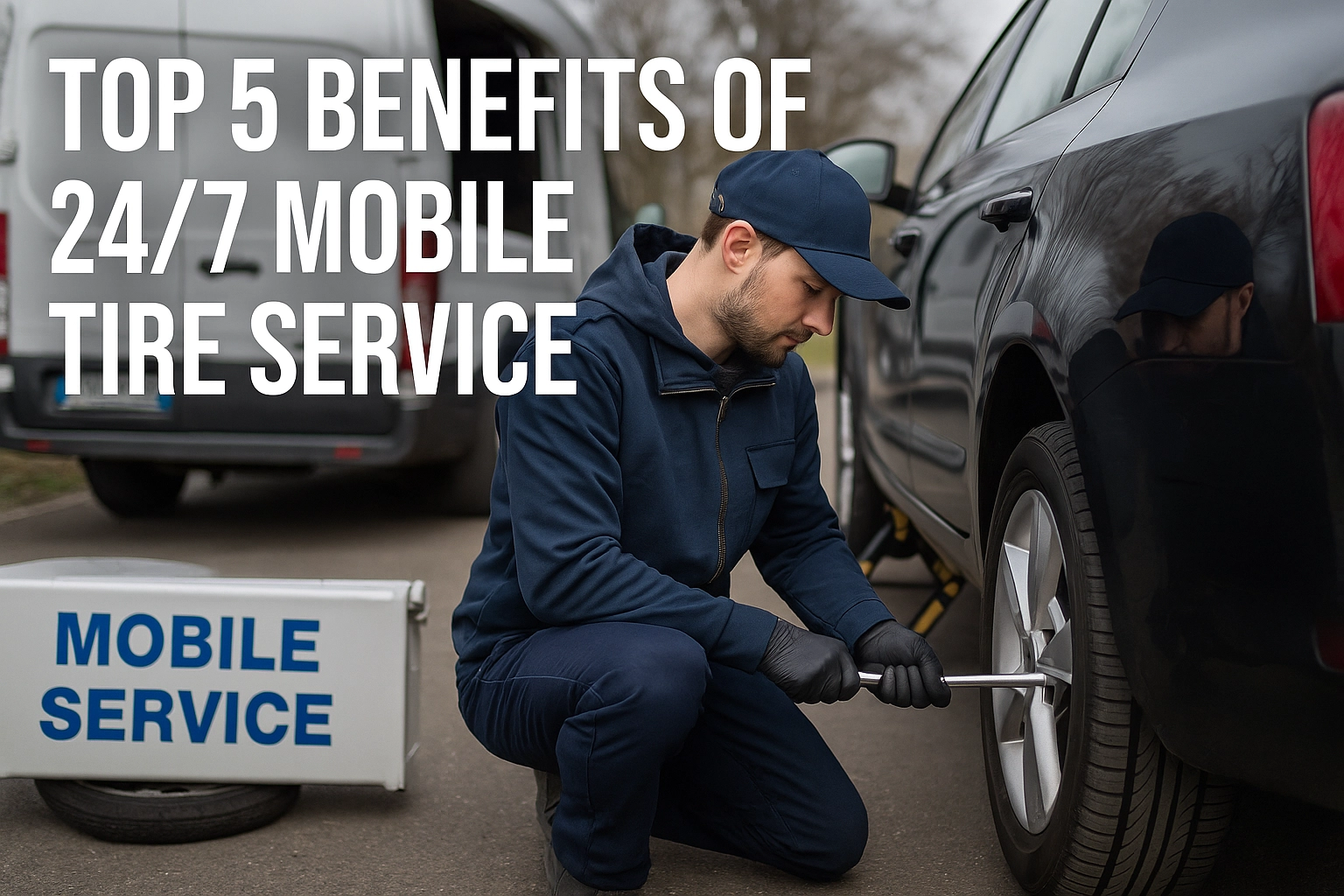
LP Mobile Tire built its response model around speed and readiness. Dispatch triages each call in under two minutes, then routes the nearest unit using GPS to cut travel time. Because trucks are preloaded for Tampa’s most common tire events, technicians typically arrive in 15 to 30 minutes, with documented sub-20-minute arrivals in central corridors during off-peak hours. This aligns with the regional 30-minute emergency response benchmark for mobile services, reinforcing feasibility in real-world traffic patterns regional 30-minute emergency response benchmark. Each unit carries hydraulic jacks rated for SUVs and light trucks, commercial-grade compressors, plug and patch kits, TPMS programmers, torque wrenches, bead breakers, and mobile balancers, which enables on-site repairs or full replacements without towing.
Safety protocols for low light and high traffic
Safety begins before a tool touches the vehicle. Technicians conduct a quick risk assessment, then position the service vehicle to shield the customer’s car, deploy cones and LED beacons at graduated distances, and activate high-visibility amber strobes. Reflective PPE and portable tripod lighting improve visibility, while wheel chocks and safe-side working zones reduce exposure to traffic. On narrow shoulders, a two-tech protocol or coordination with local Road Rangers is used to maintain a safety buffer. Every service ends with a torque verification to manufacturer spec, pressure normalization, and a TPMS reset so the driver leaves with a safe and accurate system.
Built for convenience, from booking to replacement
The mobile tire service 24/7 experience is designed to be effortless for beginners. Customers call a dedicated line, receive an instant ETA with live tracking by text, and approve a transparent quote that lists parts, labor, and any disposal fees. Technicians bring replacement options that match size and speed ratings or draw from a local supplier network when an exact match is needed, then mount, balance, and install on the spot. This approach avoids towing and shop queues, cutting downtime and costs, which industry data associates with higher satisfaction and improved safety outcomes. In the featured incident, the driver was back on the road 28 minutes after the first call, with a documented torque check and TPMS confirmation, setting up the positive results detailed next.
Results and Outcomes
Reduced downtime and customer satisfaction
In the late-night Tampa case, LP Mobile Tire restored mobility in 44 minutes from first call to wheels rolling, eliminating the tow and the multi-hour wait that typically follows a highway flat. The technician mounted a road-safe replacement, calibrated TPMS, and balanced pressures before departure, so no next-day shop visit was needed. This outcome cut expected downtime by roughly 30 to 60 minutes compared with a tow-to-shop path, which is a meaningful gain for commuters and fleets alike. Real-time ETA texts and on-scene updates mirrored industry findings that transparent tracking can lift satisfaction by 82 percent in flat-tire events, as reported in analysis on how technology is changing flat tire assistance. Preference for digital requests is rising too, with research indicating 73 percent of consumers favor app-based assistance, reinforcing the value of a mobile tire service 24/7 model to meet expectations, per a worldwide roadside assistance market research.
Impact on local roadside assistance demand
Tire issues account for about 21 percent of roadside calls, according to a major vehicle roadside assistance market report. When a dedicated mobile tire provider absorbs these incidents at the curb, general roadside fleets can reallocate trucks to higher-priority calls like jump starts or crash scenes. This rebalancing shortens queues across the board, improving service levels without adding more tow capacity. The same research base highlights growing digital dispatch and app usage, which channels tire-only events straight to specialists, reducing double-handling and unnecessary tows. For Tampa Bay drivers, that translates to faster help for tire failures and quicker access to traditional roadside resources for non-tire emergencies.
Safety improvements and roadside risk mitigation
Shorter exposure time is the most immediate safety gain, since every minute on a narrow shoulder raises collision risk. LP Mobile Tire’s protocol emphasizes high-visibility lighting, cone placement upstream of the vehicle, and servicing from the non-traffic side whenever possible. Technology further compresses risk windows; predictive analytics used in fleet systems have improved response times, with adoption noted across the sector, as detailed in the vehicle roadside assistance market report. App-based requests also reduce miscommunication and speed verification of precise GPS location, lowering time-to-wheels-up. Actionable tip for motorists: stop in a lit area if available, keep hazards on, remain belted inside the vehicle, and share the map pin the dispatcher provides to help the technician stage safely and efficiently.
Lessons Learned
Regular maintenance prevents roadside emergencies
The clearest takeaway is that disciplined tire care prevents most roadside events. Proper inflation and tread depth preserve traction and stability; the NHTSA recorded 612 tire-related fatalities in 2019, and reports up to 3.3 percent better fuel economy with correct pressure NHTSA tire safety infographic. Underinflation also shortens tire life, for example a tire run 20 percent low can lose roughly 20 percent of its lifespan Michelin guidance. For beginners, check pressures monthly, rotate every 6,000 to 8,000 miles, and replace at 4/32 inch before Tampa Bay’s heavy rains; these habits would have flagged a slow leak well before a late-night failure.
Professional roadside service deepens trust
The second lesson is the value of professional process at the roadside. LP Mobile Tire technicians stabilize the scene, diagnose quickly, and explain findings, for example sharing tread readings, showing puncture location, and confirming torque specs. Clear ETAs and itemized pricing turn a stressful moment into a predictable service experience, which is why quick and friendly service consistently appears in reviews. Pair each on-site fix with a simple maintenance plan and reminders so small issues never escalate.
24/7 availability creates peace of mind
Finally, always-on coverage is the foundation of trust. In Tampa, customers expect rapid support at any hour, a benchmark reinforced by other mobile services that advertise 30 minute emergency response. Round-the-clock access reduces risk at night and avoids the secondary costs of towing, which improves satisfaction and retention. Practical takeaway: save LP Mobile Tire’s number, keep the wheel lock key accessible, enable location sharing for faster dispatch, and know that a mobile tire service 24/7 is your backstop when maintenance misses something.
Conclusion
Choosing LP Mobile Tire for mobile tire service 24/7 delivers measurable value when minutes matter. In our case, the team restored mobility in 44 minutes from first call to wheels rolling, preventing a costly tow and hours of downtime. That outcome aligns with roadside assistance research that links always-on response to higher driver satisfaction and improved safety, along with reduced downtime and cost savings. Tampa’s mobility ecosystem shows what is possible, with comparable services in the region citing 30-minute emergency responses as a benchmark for rapid dispatch. LP Mobile Tire’s on-site model, GPS-guided routing, and fully stocked units translate those industry advantages into real outcomes at a home, job site, or shoulder.
Safety, convenience, and readiness should guide every roadside decision. Move to a safe location, turn on hazards, stay in the vehicle if the shoulder is narrow, and call a 24/7 provider that can service you where you sit. Proactive steps cut risk further: check pressure monthly using the door-jamb specification, replace tires at 2/32 inch tread depth, rotate every 5,000 to 8,000 miles, and keep your wheel lock key accessible. Before road trips, schedule a quick driveway inspection to catch punctures, uneven wear, and TPMS faults early. Save LP Mobile Tire’s contact info, confirm service radius and pricing before you need help, and choose on-location support that prioritizes speed, transparency, and customer care.