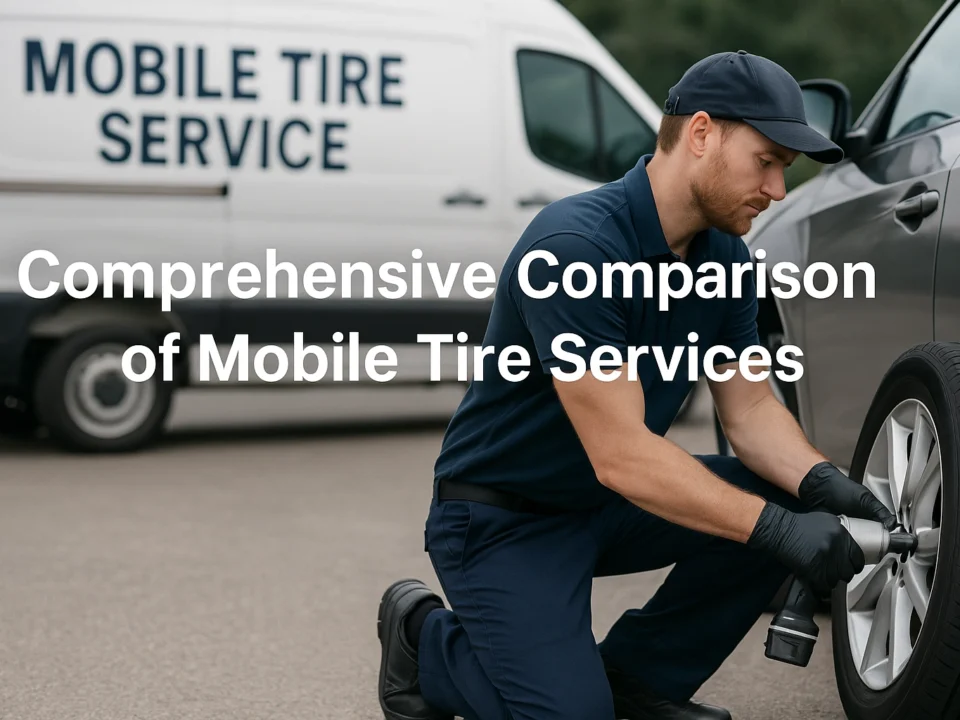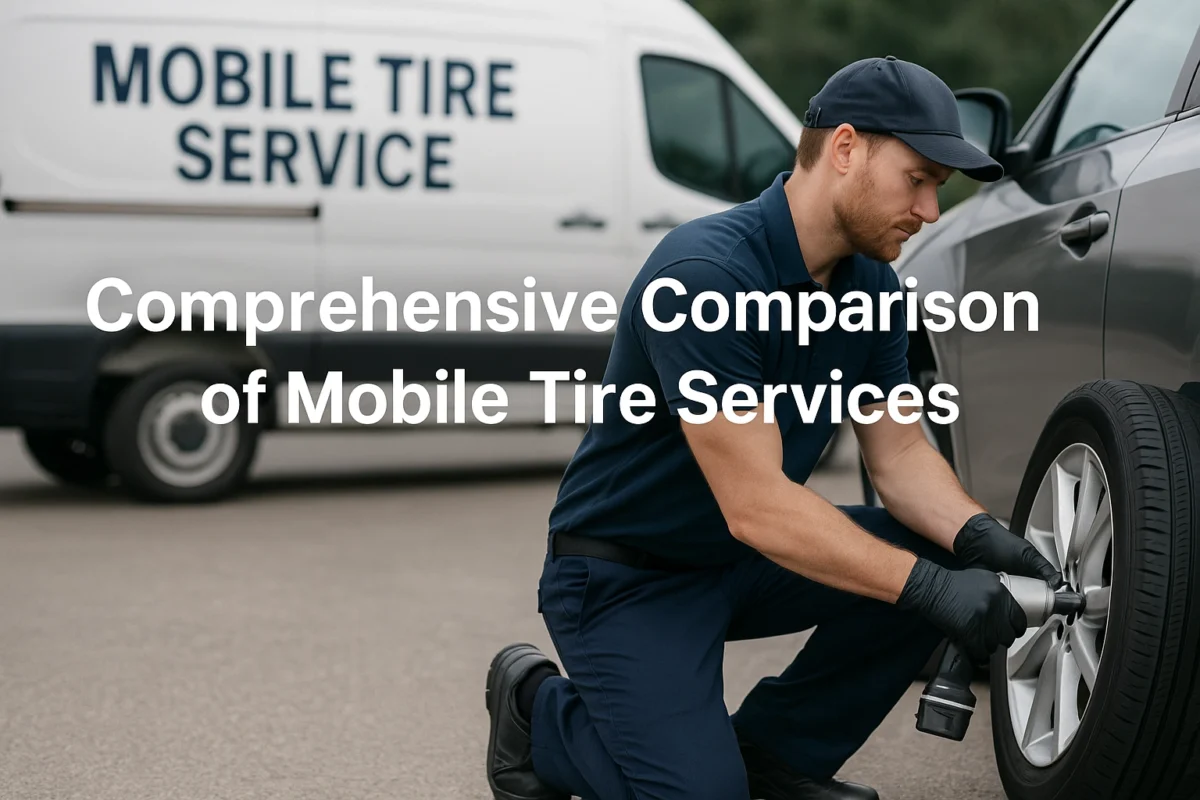
Comprehensive Comparison of Mobile Tire Services
December 7, 2025
Revolutionizing Convenience: The Rise of Mobile Tire Services
December 10, 2025
If your vans are busy but your margins feel stuck, you are leaving money on the pavement. Mobile operations can scale quickly, yet profitability rarely follows unless you measure and manage the right levers. This analysis focuses on the mechanics behind mobile tire service profit, translating day-to-day activity into clear unit economics and actionable targets.
You will learn which revenue drivers matter most, from pricing architecture and minimum service charges to add-on sales and fleet contracts. We will dissect cost structure in practical terms, including technician utilization, route density, fuel and travel time, dispatch efficiency, and warranty exposure. You will see how response-time SLAs influence capacity, why first-time fix rates shape margins, and how inventory mix and casing recovery affect cash flow.
Expect benchmarks and KPIs you can track immediately. Jobs per van per day, revenue per hour, gross margin per job, acquisition cost payback, and revisit rates. We will also outline tactics for territory planning, dynamic fees for after-hours or distance bands, and a simple model to forecast profit per route. By the end, you will have a data-driven roadmap to grow revenue and protect margin.
Exploring Current Market Trends
Market growth remains resilient
The mobile tire installation market is expanding quickly, a positive signal for mobile tire service profit potential. Most estimates point to a sustained CAGR of 9.53 percent, with market size rising from USD 0.57 billion in 2024 to USD 1.29 billion by 2033. Other forecasts place 2024 at roughly USD 0.62 billion and project USD 1.55 billion by 2035, underscoring the same growth trajectory. North America represents a large share of global demand, supported by high vehicle ownership and mature road networks, which aligns well with Tampa Bay’s commuter and fleet density. For LP Mobile Tire, this trajectory suggests scalable revenue opportunities, especially since top-performing service vans can exceed 300,000 dollars in annual revenue when routes, pricing, and inventory are optimized. See the global mobile tire installation market outlook for detailed projections.
Convenience and digital adoption are the demand engine
Consumer preference is shifting decisively toward services that save time and reduce hassle. Surveys indicate the majority of vehicle owners would consider mobile installation, reflecting how on-site service, precise time windows, and workplace appointments beat waiting rooms. Technology is reinforcing this shift, as GPS-enabled routing and automated scheduling improve on-time arrival and daily job counts. Cost also matters, and eliminating towing fees often makes mobile replacements or repairs the smarter economic choice. Actionably, LP Mobile Tire can prioritize same-day slots near major employment hubs, deploy a user-friendly booking flow with instant pricing, and use dynamic routing to maximize jobs per van while keeping customer ETAs tight.
U.S. market dynamics, tariffs, and evolving preferences
Trade policy is reshaping tire sourcing and pricing. Pirelli has explored additional U.S. capacity to offset tariff exposure, and other manufacturers have flagged demand softness and tariff-related headwinds, which may drive periodic price volatility and model availability shifts. These dynamics increase the value of a mobile model that emphasizes speed, transparency, and convenience. LP Mobile Tire can mitigate volatility by diversifying suppliers, stocking high-turn sizes for Tampa’s vehicle mix, and communicating lead times clearly. Monitoring tariff developments, such as Pirelli’s U.S. investment considerations, helps inform pricing and inventory strategy as demand continues migrating to digital-first, on-demand service.
Profit Potential in Mobile Tire Services
High gross margins are attainable
Mobile tire operations commonly deliver gross profit margins in the 40 to 50 percent range. The mix of on-site service pricing and direct-to-consumer parts sales supports that outcome; for example, a patch kit that costs 5 to 10 dollars is often billed at 75 to 100 dollars, as noted in profitability strategies for mobile tire repair. Labor in mobile setups frequently achieves 50 to 65 percent gross margins, per the core KPIs for mobile tire service. Combining 20 to 30 percent tire margins with high-margin labor typically produces a blended gross margin near the mid 40s for a single van.
Overhead savings widen the profit gap
Avoiding a storefront eliminates rent, waiting-room labor, utilities, and idle-bay costs that compress margins in traditional shops. Benchmarks indicate brick-and-mortar operating expenses can exceed 70 percent of gross revenue, while well-run mobile units often fall in the 40 to 60 percent band, according to how much an owner makes with a mobile tire service. In practice, a Tampa Bay van’s fixed costs center on the vehicle, insurance, fuel, basic storage, inventory carry, and scheduling software. The lower breakeven widens net margin potential, enables competitive pricing, and frees cash for marketing and technician incentives.
Speed and convenience lift revenue per day
Speed and convenience convert directly into revenue lift. Customers reward same-day, on-site fixes with higher acceptance rates and premium fees; a four-tire install and balance often yields 150 to 250 dollars in labor, with rush or after-hours surcharges adding 10 to 20 percent. Top-performing vans frequently surpass 300,000 dollars in annual revenue in growth markets, a level supported by route density, GPS scheduling, and automated confirmations that push daily jobs from four or five to six or eight. For LP Mobile Tire, clustering calls by neighborhood, prioritizing fleets and construction sites, and offering transparent digital ETAs minimizes drive time, raises average ticket, and smooths utilization across weekdays.
Effective Pricing Strategies for Success
Balancing competitive pricing with demand dynamics
Pricing should signal value without discouraging conversion, especially in a market where customers compare options and expect fast response. Industry analyses note strong buyer power, with more than 70 percent of consumers researching multiple providers, and timeliness ranking as a top selection factor, which elevates the importance of transparent, easy-to-understand rates Mobile Tire Service Five Forces. A practical approach is to publish a clear base service fee, a mileage threshold, and an after-hours premium, then use GPS zones to automate travel surcharges. Because on-site service often eliminates towing costs for the customer, providers can justify a moderate convenience premium while still positioning as a cost-effective solution. To smooth demand, consider small off-peak discounts and response-time service level agreements that anchor perceived value without racing to the bottom.
Implementing a pricing model to maximize profits
Dynamic pricing, applied thoughtfully, helps align price with real-time conditions such as weather, time of day, and technician utilization dynamic pricing. Set a price floor based on direct labor per job, expected travel time and fuel, and target parts margin, then allow a controlled uplift for peak windows, typically 10 to 25 percent. Raise average ticket size by bundling rotation, balancing, and puncture repair into maintenance packages, for example a $50 add-on that improves vehicle uptime and reduces future emergencies. For commercial accounts, mix per-visit rates with retainer tiers that guarantee response times, which stabilizes revenue and technician scheduling. Leverage route optimization and automated scheduling to reduce nonbillable time; as drive minutes fall, you can hold or slightly lower prices while improving mobile tire service profit through higher daily job counts.
Case example: LP Mobile Tire’s pricing approach
LP Mobile Tire in the Tampa Bay area uses a transparent structure that supports both trust and operational control. A flat $125 service rate within the core area keeps comparison shopping simple, while an added $1.50 per mile outside city limits ties price to actual travel cost and technician time. This model balances accessibility for local customers with fair compensation for extended-range calls, and it can be paired with modest after-hours premiums during severe weather or weekend spikes. Community initiatives, such as tire giveaways that benefit local nonprofits, reinforce brand equity and reduce acquisition costs through word of mouth. The result is a pricing framework that adapts to demand, protects margins, and sustains repeat business among residential drivers and fleets.
Strategic Advantages of Mobile Services
Differentiating through value-added services
Mobile operators that package and upsell create meaningful lifts in mobile tire service profit. Bundled offerings, such as rotation, balancing, TPMS reset, and a seasonal inspection, raise average order value while customers perceive 10 to 15 percent savings versus buying services a la carte. Premium tire mix matters as well. Upselling higher-margin brands with protection plans can deliver 20 to 30 percent better product margins than economy lines, driving contribution per stop without increasing travel time, a key constraint for mobile units. Fleet maintenance contracts add resiliency, smoothing demand with recurring inspections, rotations, and replacements that fill weekday schedules efficiently. For implementation detail, see these profitability levers summarized in mobile tire installation strategies and mobile tire service strategies.
Enhancing customer experience with on-site solutions
On-site service compresses the total cost of ownership for customers by eliminating towing fees, reducing downtime, and lowering the risk of driving on damaged tires. The experience can be engineered for speed and predictability, which directly improves conversion and retention. Best practices include two-hour arrival windows with live GPS ETA updates, automated scheduling, and pre-visit triage to verify tire size, TPMS type, and wheel lock keys. Technological add-ons, such as tread-depth scanning and digital vehicle reports, build trust and enable proactive replacement reminders. Stock planning, informed by local fitment data, ensures first-visit completion rates stay high, a major driver of unit economics since each additional trip erodes margin. Measure outcomes with response time, first-time fix rate, and post-visit NPS to prioritize operational improvements.
LP Mobile Tire’s strategic implementations
LP Mobile Tire in Tampa Bay illustrates these advantages with practical execution. Transparent, flat upfront pricing at $125 removes friction and increases booking confidence. The company extends beyond tires, offering jumpstarts, lockout assistance, semi-truck and commercial tire work, fleet maintenance, and mobile oil changes, which expands wallet share per stop and stabilizes demand with scheduled contracts. Community engagement, including bi-annual raffles that fund local nonprofits, strengthens brand equity and referral velocity. Operationally, a diversified service mix, tight dispatching, and clear communication allow LP Mobile Tire to capture higher-value jobs without sacrificing responsiveness. These choices position the business to convert convenience into durable profit while supporting growth in the Tampa Bay market.
The Impact of Digital Transformations
Using technology to streamline service delivery
Digital operations now underpin profitable mobile tire service models by compressing cycle times and increasing job density per van. GPS-based dispatching, automated scheduling, and real-time inventory visibility reduce deadhead miles and missed appointments, which directly improves labor utilization and fuel efficiency. In a market growing at a 9.53 percent CAGR through 2033, operators that digitize routing and status updates can capture more same-day demand and lift revenue per unit, a path used by top-performing vans that generate more than $300,000 annually. Data-driven tire intelligence is expanding as well. Pirelli’s program illustrates how better data pipelines improve decisions for dealers, from inventory selection to consultative selling, accelerating turns and reducing stockouts, as covered in Pirelli’s digital transformation.
Platform integrations for enhanced consumer experience
Customer-facing platforms are now central to conversion and retention. Tire Pros’ digital point-of-sale model shows how a unified portal can surface vehicle history, real-time status, and two-way communication, creating transparency that increases trust and approvals, as detailed in Tire Pros’ enhanced digital platform. Mobile-first tools are speeding responses on the shop side too. Dealers that extend desktop workflows to mobile apps report faster price checks, availability lookups, and order tracking, which compresses quote-to-booking time and reduces abandonment, according to PYMNTS coverage of tire shops going mobile. For mobile tire providers, integrating POS, CRM, payments, and routing enables instant ETAs, text-to-pay links, and digital authorizations, all proven levers for higher conversion and lower no-show rates.
LP Mobile Tire’s utilization of digital tools for operational excellence
For LP Mobile Tire in Tampa Bay, a high-impact digital stack includes smart dispatch with geofenced zones, technician apps for digital inspections and TPMS verification, and integrated payment and financing options. Syncing inventory and pricing across suppliers helps quote accurately on the curb, which reduces rework and boosts first-visit fix rates. Customer portals that show technician location, photos of tread and damage, and promised time windows elevate experience and reduce inbound calls. With market demand rising and mobile services eliminating towing fees for many scenarios, disciplined use of analytics, SLA tracking, and route optimization can position LP Mobile Tire to achieve top-quartile revenue per van while protecting margins.
Future Trends and Implications for Businesses
Forecasting growth opportunities in niche markets
Mobile tire installation is forecast to grow at 9.53 percent CAGR through 2033, rising from about 0.57 billion dollars in 2024 to 1.29 billion dollars. Profit will concentrate in downtime sensitive niches, especially fleets and EVs. The United States has roughly 4.2 million registered commercial vehicles, signaling strong demand for on site tire maintenance across delivery, rideshare, and trades fleets. For LP Mobile Tire in Tampa Bay, fleet SLAs, EV ready tire and TPMS packages, and on site support at construction depots or corporate campuses can raise route density and mobile tire service profit.
Adapting to evolving consumer expectations
Consumers now expect frictionless digital scheduling, accurate ETAs, and contactless payment. GPS guided dispatch and automated booking improve reliability while reducing idle miles. On site repair that avoids towing fees remains compelling for time sensitive customers, including commuters and gig drivers. LP Mobile Tire can differentiate with real time tracking links, service time guarantees, and tread depth based reminders that trigger timely reorders. A simple tiered convenience plan, for example priority response and after hours coverage, can stabilize weekly demand.
Preparing for future shifts in the industry landscape
Technology, talent, and regulation will shape outcomes. Telematics and smart tire sensors enable predictive maintenance, with major suppliers processing hundreds of millions of pressure readings annually that let fleets schedule service before failures. A technician shortage persists, with many service centers reporting hiring difficulty near 45 percent and vacancy rates above 15 percent. LP Mobile Tire should build paid apprenticeships, certify EV procedures, and document tire recycling to meet stricter rules. Set a two year roadmap that funds portable balancing and tread scanning, targets five to seven jobs per van per day, and positions top performing vans to exceed 300,000 dollars in annual revenue.
Conclusion and Actionable Takeaways
Mobile tire service profit potential is strong, supported by resilient demand and technology that compresses costs while lifting utilization. Market growth is clear, with mobile tire installation projected to expand from about 0.57 billion dollars in 2024 to 1.29 billion dollars by 2033 at a 9.53 percent CAGR. Top-performing vans surpass 300,000 dollars in annual revenue, a useful benchmark for van-level planning. Convenience remains the core differentiator, customers avoid shop waits and towing fees, which strengthens willingness to pay for on-site installation, repair, and TPMS work. For LP Mobile Tire in Tampa Bay, the blend of on-demand roadside assistance and scheduled home or job site appointments aligns directly with these trends.
Actionable next steps for LP Mobile Tire
- Raise average ticket with smart bundles, for example, mount and balance plus rotation and TPMS service, targeting a 25 to 40 dollar lift per job without eroding conversion.
- Increase job density per van using GPS-based dispatching and automated scheduling windows, then staff evening and weekend slots to capture urgent calls at value-based pricing.
- Secure recurring revenue with fleet contracts across construction, delivery, and property management, and offer quarterly tread scans to schedule replacements proactively.
- Track four core KPIs, jobs per van per day, average ticket, first-time fix rate, and response time, then adjust routes, inventory, and pricing weekly.
- Pilot sensor-enabled tire monitoring and mobile tread scanning to differentiate in the field, and emphasize the elimination of towing costs in all Tampa Bay marketing. Executed together, these steps can push each van toward a 225,000 to 300,000 dollar annual run rate while protecting margins.