How to Integrate and Use AirTags in Your Car Safely
November 21, 2025
Top Mobile Tire Services in Inglewood, CA
November 24, 2025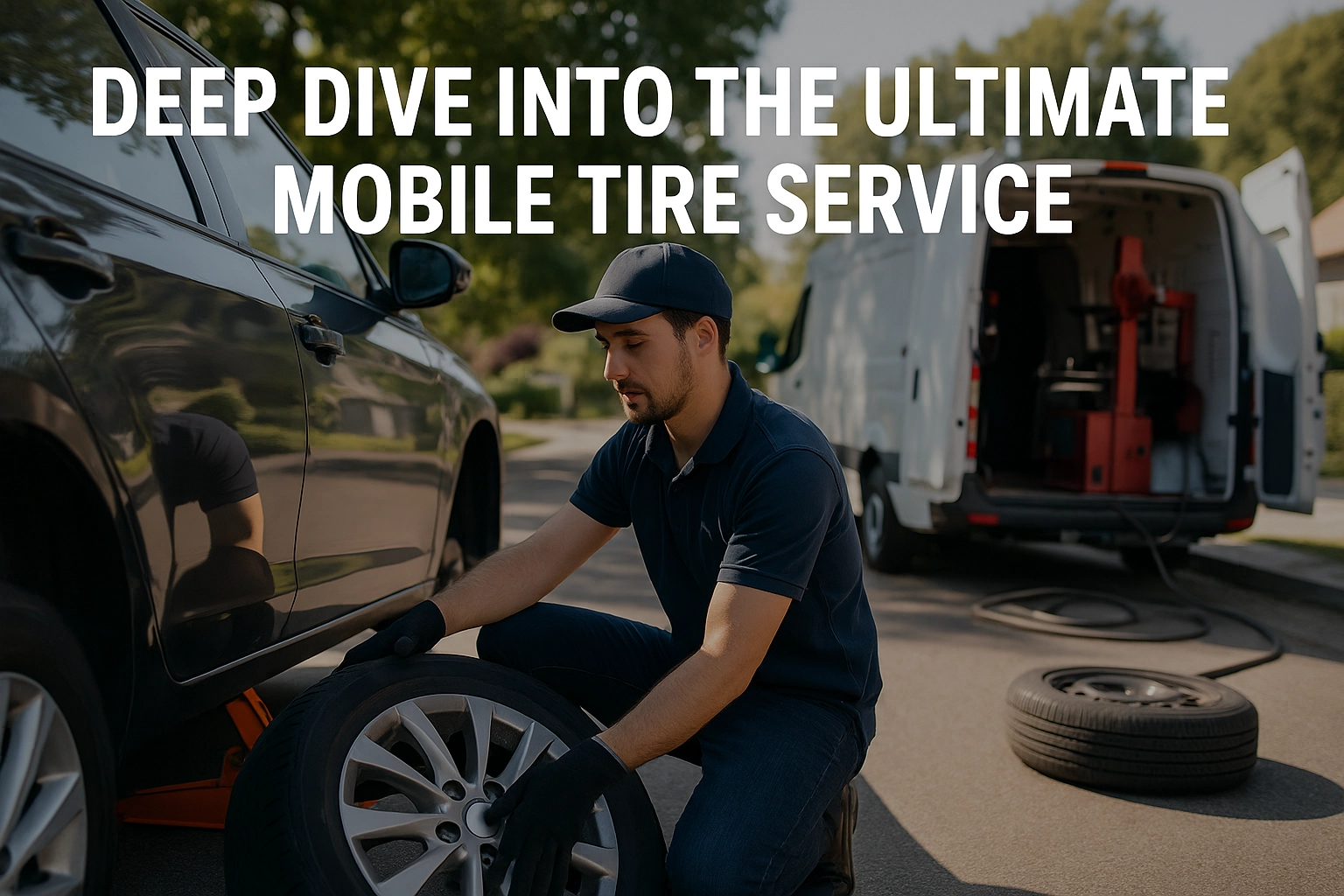
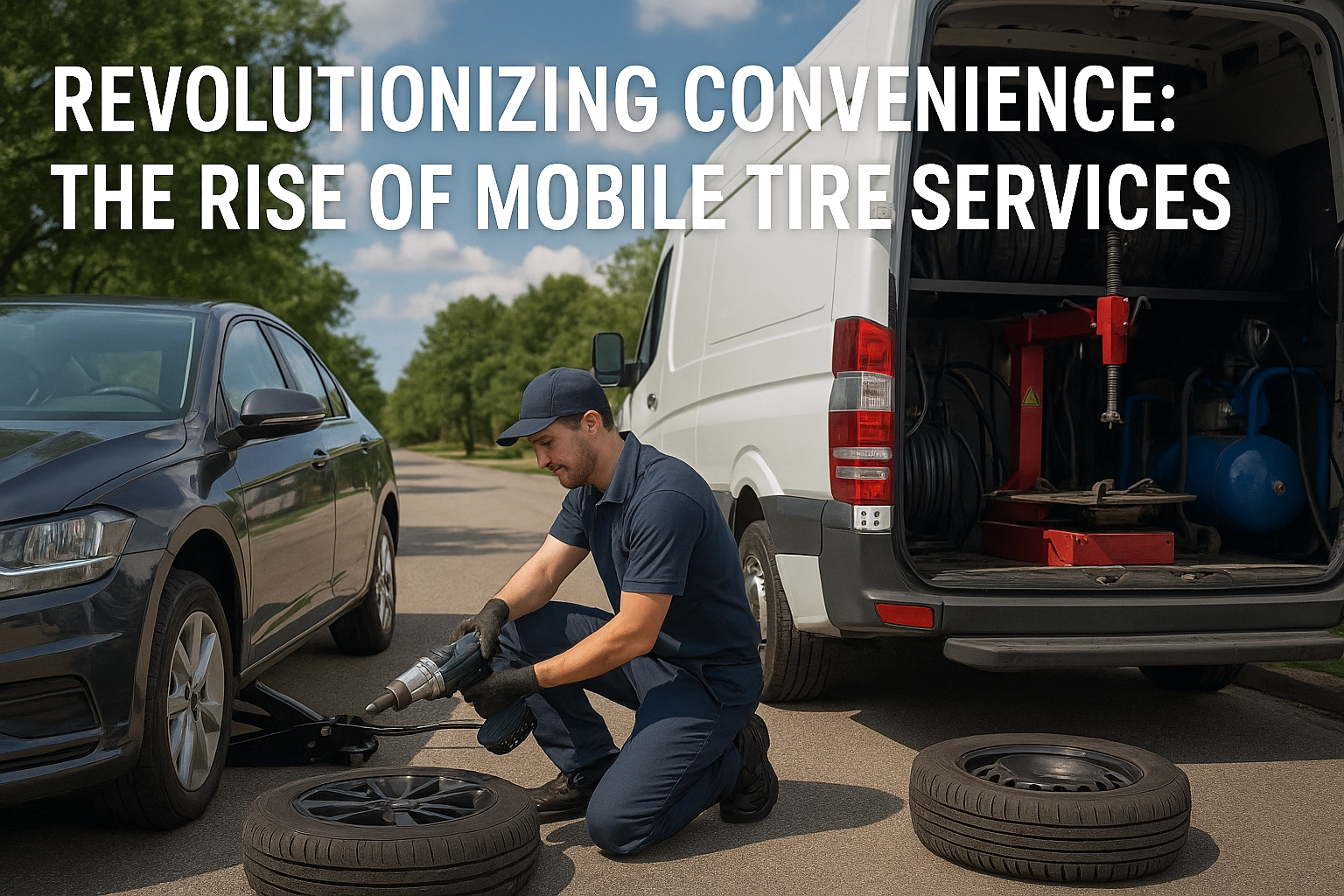
Flat tires and worn tread do not wait for your schedule. They appear at job sites, driveways, and highway shoulders, turning small problems into costly downtime. That is why the ultimate mobile tire service has moved from convenience to core capability for drivers, fleets, and service managers who expect speed, safety, and predictable costs.
In this analysis, we define what separates average roadside help from the ultimate mobile tire service, then examine how top providers deliver measurable value. You will learn how dispatch, inventory, and on-vehicle equipment determine response times and first-visit fix rates. We will compare pricing structures, from callout fees to subscription models, and identify hidden costs that inflate total cost of ownership. We will evaluate coverage strategies, technician training, and safety protocols, and we will assess the role of telematics, scheduling software, and digital inspections. Expect a clear framework to benchmark providers, practical KPIs you can track immediately, and guidance tailored to both individual drivers and fleet operators. By the end, you will be able to select, negotiate, and manage a mobile tire partner with confidence, and justify the decision with data.
Understanding the Mobile Tire Service Landscape
Market momentum and demand drivers
Mobile tire services are riding a clear growth curve as consumers and fleets prioritize on-demand support. The category was valued around USD 4.3 billion in 2024 and is projected to reach USD 7.8 billion by 2032, reflecting robust adoption of mobile fitting and repair models, according to a recent mobile tyre fitting market analysis. This aligns with broader roadside assistance expansion in the United States, where the market is expected to grow from $2.40 billion in 2025 to $3.69 billion by 2034 at a 4.9 percent CAGR. Demand is being pulled forward by digital tire buying, with 29 percent of consumers purchasing tires online in 2022 compared with 10 percent in 2017, a signal that service delivery must now meet customers wherever they are, see tire service industry trends. Fleet growth adds another tailwind, with 4.2 million registered commercial vehicles in the U.S. in 2024 and rising use of telematics and apps for on-site maintenance, as noted by Business Research Insights.
Convenience and speed reshape expectations
Customers increasingly select providers that minimize disruption, replacing shop visits with on-site installs, rotations, repairs, and seasonal swaps at home, work, or roadside. Frictionless digital booking, accurate arrival windows, and real-time updates have become baseline, not bonuses, especially for busy professionals and fleet managers. Contactless workflows and transparent pricing improve trust while trimming dwell time. Fast-cycle logistics, inventory visibility by vehicle fitment, and route-optimized dispatch help operators meet narrow service windows without sacrificing quality. Providers that pair convenience with consistent workmanship, such as proper torqueing and TPMS resets, outperform on satisfaction and repeat business.
Implications for Tampa Bay operators
For LP Mobile Tire, the path to the ultimate mobile tire service in Tampa Bay is clear. Prioritize sub-60-minute roadside response in core zones, flexible evening and weekend slots, and guaranteed on-site times that reduce customer downtime. Build fleet programs with preventive checks, tire health reports, and consolidated billing to serve construction, delivery, and trades firms across the Bay. Prepare for EV growth with training on EV lift points, load ratings, and foam-filled tire handling. Finally, leverage data to position vans where demand peaks, and integrate booking, status notifications, and feedback loops to keep the experience consistently fast and reliable as the market expands.
Key Benefits of Choosing Mobile Tire Services
Enhance safety with instant, on‑road remediation
Addressing a tire issue where it occurs is one of the most effective ways to reduce accident risk and secondary damage. Mobile technicians can repair punctures, replace a blown tire, or correct a TPMS fault on the shoulder or at your driveway, which prevents drivers from limping along on compromised rubber. Providers that prioritize fast dispatch reduce exposure time on busy corridors, improving safety outcomes for motorists and roadside workers alike. Independent operators report that rapid response materially shortens the waiting period before a safe repair is completed, a point echoed in this overview of on-site tire repair advantages for busy professionals. For Tampa Bay drivers, LP Mobile Tire pairs quick arrival with best practices like torque-to-spec documentation and post-repair pressure checks, which further lowers risk after service. Actionable tip, ask for a visual sidewall inspection and TPMS relearn after any replacement.
Minimize downtime by servicing vehicles where they sit
Every hour a vehicle is sidelined erodes productivity. Mobile tire service eliminates towing, shop queues, and driver shuttles by bringing the equipment, tires, and expertise to your home, job site, or fleet yard. Commercial operators validate the benefit, mobile service sends trained technicians directly to the asset, which keeps trucks on their routes and crews on schedule, as outlined by Rush Truck Centers. Fleets that combine on-site service with tire pressure monitoring have reported dramatic reductions in road calls and daily time savings through proactive interventions. Scheduling work during idle windows, for example early morning yard checks, turns unplanned breakdowns into planned micro-stops.
Control total cost with transparent, competitive pricing
Mobile tire service avoids towing fees, shortens repair cycles, and supports preventive care that reduces catastrophic failures. Organizations that prioritize preventive maintenance typically save 12 to 18 percent compared with reactive fleets, according to My Fleet Assist. At a market level, steady US growth near a 4.9 percent CAGR through 2034 supports competition and pricing discipline, which benefits Tampa Bay consumers. To maximize savings, request line-item quotes that include tire, labor, disposal, and TPMS services, and confirm after-hours rates upfront. LP Mobile Tire leverages these efficiencies to deliver the ultimate mobile tire service experience, aligning safety, uptime, and cost control in one visit.
Industry Growth and Market Dynamics
Global expansion through 2030
The roadside assistance industry is entering a durable growth cycle through 2030, supported by rising vehicle ownership, always-on expectations, and digital dispatch tools. Globally, analysts project the market will reach about 41.2 billion dollars by 2030 at a 5.1 percent CAGR, with details from KBV Research. A separate view from Fortune Business Insights estimates 35.73 billion dollars by 2030, reflecting a 5.6 percent CAGR from 2023, which signals consistent momentum across methodologies, see this market update. In the United States, market value is expected to expand from 2.40 billion dollars in 2025 to 3.69 billion by 2034 at a 4.9 percent CAGR, and the global market is forecast near 43.8 billion by 2034. For Tampa Bay providers like LP Mobile Tire, this translates into local tailwinds: more vehicles on the road, more miles driven, and more opportunities to win customers with faster response and transparent pricing. Partnerships with automakers and insurers, plus EV readiness, will concentrate demand with providers that deliver the ultimate mobile tire service experience.
Mobile tire services outlook and incident-driven demand
Within this growth picture, mobile tire is a standout. KBV notes the tire replacement segment is advancing at about a 4.2 percent CAGR through 2030, echoing consumer preference for on-site fixes that reduce towing and downtime. Rising roadside incidents reinforce this need; global crash data from the CDC indicates about 3,700 fatalities occur daily, a reminder that prompt, professional assistance reduces secondary risk and congestion. For LP Mobile Tire, the actionable moves are clear: build predictive stocking for popular tire sizes, carry TPMS service kits, and train for EV weight and lift points. Use telematics-informed routing to cut ETAs in congested corridors, and pursue fleet and employer partnerships in the Tampa Bay area to lock in recurring demand. These dynamics position LP Mobile Tire to scale with the market and set the service bar in Tampa Bay.
LP Mobile Tire: Pioneering the Tampa Bay Market
Expertise anchored in reliability
LP Mobile Tire has built a reputation for fast, professional response across Tampa Bay, combining tire repair, replacement, and full roadside assistance for flats, dead batteries, and lockouts. Their technicians handle TPMS resets and manufacturer torque specifications, which matters as vehicles become more complex. The team operates 24/7/365 and routinely reaches St. Petersburg customers in 15 to 30 minutes, a benchmark that signals disciplined dispatch and route planning. This reliability aligns with a market expanding from $2.40 billion in 2025 to $3.69 billion by 2034 in the United States, a 4.9 percent CAGR, and a global trajectory to $43.80 billion by 2034. In a category where trust is the differentiator, consistent arrival times and complete on-site fixes turn first calls into repeat engagements.
On-site convenience that saves hours
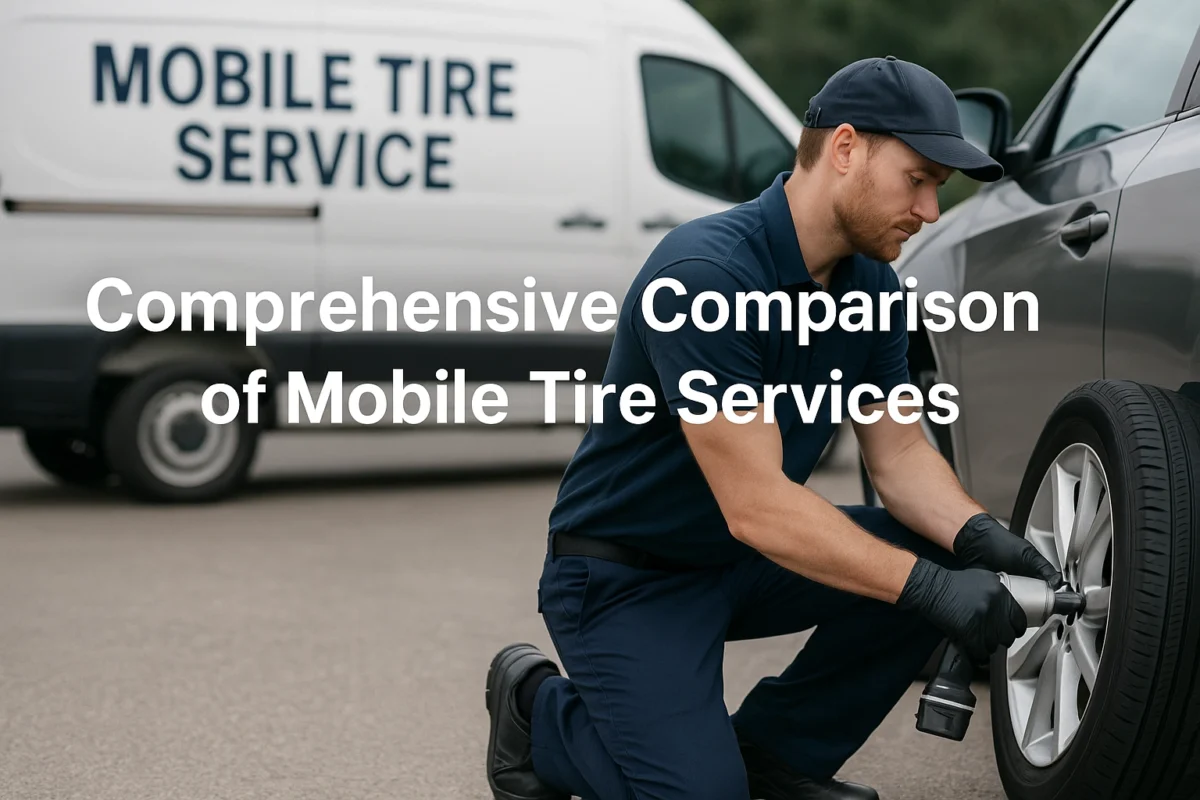
By bringing the shop to the driveway, job site, or roadside, LP Mobile Tire eliminates towing and waiting-room downtime. A typical scenario is a morning puncture resolved at home in about 25 minutes, letting a commuter keep a critical meeting. For contractors and delivery fleets, on-site swaps during off-peak hours prevent missed routes and revenue loss. Transparency strengthens the model, including flat-rate pricing of $125 within Tampa Bay and $1.50 per mile outside city limits, with clear service area details available via LP Mobile Tire and location visibility on Google Maps. The result is predictable cost, predictable time, and fewer operational surprises.
A strategic fit for busy people and businesses
For busy families and fleet managers, the ultimate mobile tire service is one that compresses risk and time simultaneously. With the US roadside market growing and global demand advancing at about 5 percent through 2030, LP Mobile Tire’s mobile-first model, transparent pricing, and fleet programs align with where the market is headed. Rising EV adoption and intricate TPMS requirements favor field teams trained for specialized procedures. Actionable steps include pre-registering fleet vehicles, standardizing tire SKUs, and scheduling preventive checks during low utilization windows. These practices translate convenience into measurable uptime, setting up the next phase of Tampa Bay growth.
Customer Convenience and Satisfaction
Eliminates time wasted at service centers
Customer convenience is now a measurable advantage, reflected in a US roadside assistance market growing from 2.40 billion dollars in 2025 to 3.69 billion dollars by 2034 at 4.9 percent CAGR. Instead of losing hours to transit and waiting rooms, LP Mobile Tire completes work where the vehicle sits. Many mobile jobs finish in under an hour, as outlined in this 2025 guide to mobile tire repair workflows and timing. For Tampa Bay fleets, on site support preserves routes and driver availability, an efficiency reinforced by this overview of keeping commercial fleets rolling. A practical tactic is bundling multiple vehicles at a single location to reduce set up and travel time.
Scheduling built around the customer
Personalized scheduling is central to an ultimate mobile tire service. LP Mobile Tire books service windows that match work shifts, school pick ups, evenings, or weekends, then dispatches rapidly for roadside incidents. Customers can shorten cycle time by sharing a precise location pin, tire size, and wheel lock key availability during booking. Clear preferences, such as quiet hours at a job site or garage access codes, help technicians arrive prepared. Once on site, most jobs are completed quickly, allowing customers to stay productive at home or at work with minimal disruption.
Satisfaction driven by speed and flexibility
High satisfaction follows from quick response, predictable windows, and first visit resolution. Industry studies show variability in aftermarket satisfaction, which increases the payoff for providers that communicate proactively and deliver on time. LP Mobile Tire reinforces trust through accurate ETAs, transparent pricing, and flexible options that respect the customer’s calendar. To sustain loyalty, publish median response and completion times, use text based tracking links, and request post service feedback. These practices convert convenience into repeat bookings and referrals across Tampa Bay’s growing market. These outcomes set up the business case for cost and ROI.
Navigating the Competitive Landscape
Market reality in Tampa Bay
Mobile tire service in Tampa Bay is crowded and fast evolving. Alongside LP Mobile Tire, operators such as Tampa Tire Rescue, Waypoint Auto Rescue, Bay Breeze On The Go, EV Guardian Roadside Assistance, Paul’s Mobile Tire Service, Tokio Tire Service, and Doug Junior Tires compete on speed, scope, and price. Many differentiate through 24/7 availability, EV charging or commercial fleet focus, and on-site installation capabilities. Demand is rising, with the US roadside assistance category expected to grow at about 4.9 percent CAGR through 2034. Globally, projections near 43.80 billion dollars by 2034, signaling a durable runway for providers that execute.
Positioning to win and keep share
Winning share requires precise positioning and disciplined execution. Define and publish a service level promise, for example average ETA under 45 minutes in core ZIP codes and under 90 minutes region-wide, with live tracking and transparent, line-item pricing. Build micro-specialties that others lack, such as EV-safe lift points, TPMS programming, mobile balancing, and after-hours fleet swaps. Use technology to remove friction, including instant online quotes, digital payments, and proactive SMS status updates. Pursue partnerships with apartment communities, construction fleets, and insurers; negotiated per-call rates and tire supply agreements can stabilize volume and protect margins.
Reputation and feedback flywheel
In a market where most providers claim 24/7 speed, reputation becomes the durable moat. Treat customer feedback as an operating system: measure CSAT after every job, track Net Promoter Score monthly, and set goals such as a 4.8 plus Google rating and 10 new reviews per week in peak season. Close the loop within 24 hours on any detractor, document root cause, and publish fix rates. Standardize technician checklists and photo verification to reduce comebacks. Finally, showcase proof, for instance average roadside completion times, tire failure prevention tips, and EV readiness, to position LP Mobile Tire as the ultimate mobile tire service for Tampa Bay.
Conclusion and Implications for Vehicle Owners
Understand the value and convenience of choosing mobile tire services
For vehicle owners, convenience is no longer a perk, it is a risk management strategy. The steady expansion of roadside assistance, from $2.40 billion in the US in 2025 to a projected $3.69 billion by 2034 at a 4.9% CAGR, confirms that on-demand help is becoming standard. On a busy weekday or during a late-night flat, getting professional service at the curb reduces exposure to traffic hazards and eliminates hours of downtime. In practical terms, mobile tire support avoids towing, shop queues, and repeat trips. Actionable step: keep a preferred provider saved in your phone, and plan seasonal tire inspections at home to prevent avoidable roadside incidents.
Consider how LP Mobile Tire simplifies your automotive needs
LP Mobile Tire streamlines ownership in Tampa Bay by bringing tire repair, mounting, balancing, TPMS programming, and roadside assistance directly to your home, job site, or breakdown location. Rapid, digitally dispatched service and transparent quotes help you make decisions quickly and confidently. Example: a fleet van with a puncture at a construction site can be repaired on the spot, keeping schedules intact and costs contained. For commuters, at-home replacements before work maintain productivity without sacrificing safety. Tip: schedule pre-trip tire checks and rotate tires on your driveway to extend tread life.
The future of vehicle maintenance is mobile
Globally, roadside assistance is projected to reach $43.80 billion by 2034, supported by technology improvements and a 5.0% growth trajectory through 2030. Rising EV and hybrid adoption will reward providers with TPMS expertise, correct torque practices, and EV-safe lifting. Expect tighter OEM partnerships, smarter dispatching, contactless payments, and data-informed service reliability. Tampa Bay drivers who adopt mobile-first habits will cut downtime and avoid unnecessary dealership visits. If you want the ultimate mobile tire service, start by choosing a provider that proves reliability at your curb.